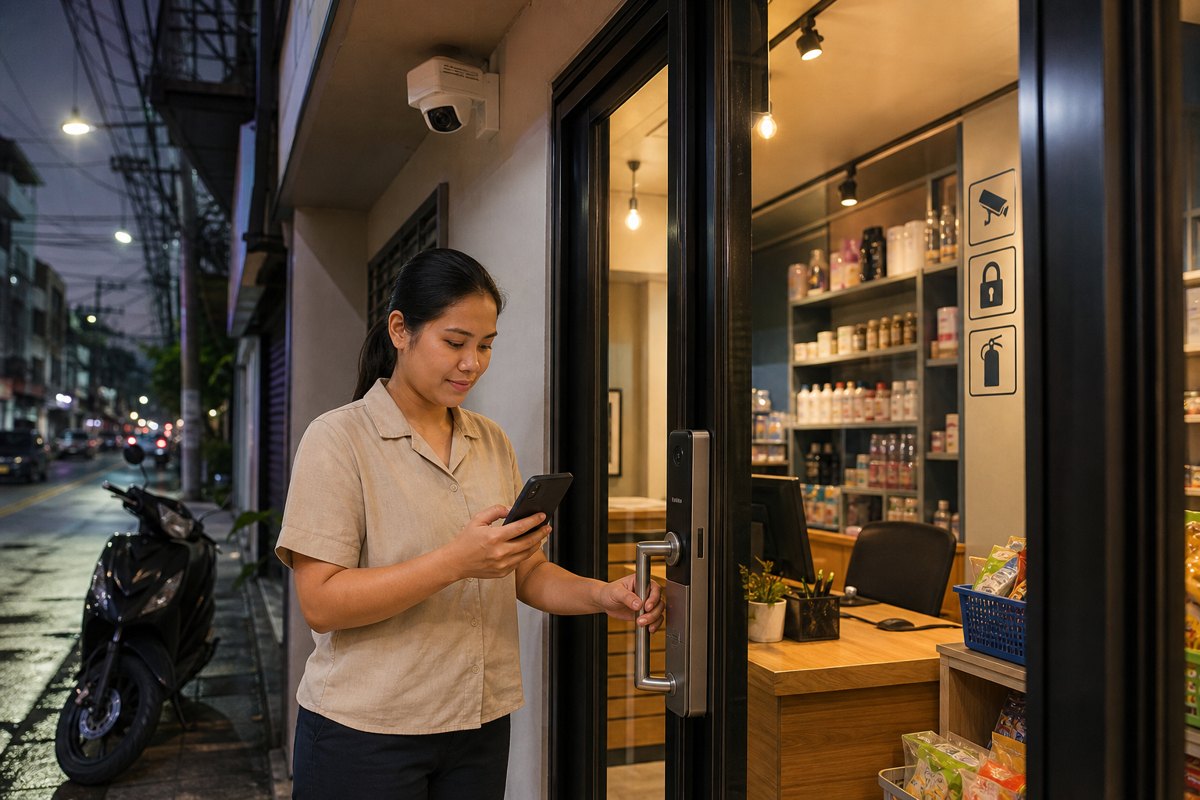
Security and safety are now linked for Metro Manila homes, condos, offices and small commercial spaces. A camera that records clearly, a door that opens only for the right person, an alarm that is maintained, and a process that staff can follow all support the same goal: keeping people, property and operations protected without making everyday access difficult.
Quick summary
- Reliable protection is about layers, not one device: CCTV, access control, alarms, lighting, power backup and response procedures should support each other.
- Homes, condos, shops and offices now handle more deliveries, contractors, guests, hybrid schedules and after-hours activity, so weak entry points create real risk.
- The best security setup is practical, maintainable and easy for families, guards, reception staff or store teams to use consistently.
- Decision-makers should check coverage, retention, connectivity, power resilience, user permissions and service support before buying or upgrading.
Why reliability matters now
For many households and businesses, security used to mean installing cameras and hoping they were enough. That approach is outdated. Families receive more courier deliveries. Condo lobbies handle residents, visitors, drivers, service providers and maintenance teams throughout the day. Small offices operate with leaner teams and flexible schedules. Retail shops often open early, close late and keep valuable stock near customer-facing areas.
The important question is not simply whether a device exists. It is whether the property can clearly see what happened, control who entered, review the right footage, and respond quickly when something looks wrong. Reliable security helps prevent problems, but it also gives owners and managers a record they can trust when a concern needs to be resolved.
Reliability matters because interruptions are costly. A broken lock can delay opening. A blind camera angle can leave a dispute unresolved. A recorder with poor retention can erase evidence before anyone checks it. An alarm that staff ignore because it gives false alerts may stop being useful when it is needed. Good design reduces these gaps before they become expensive.

Security should match real movement
A practical safety plan starts with how people actually move through the property. The main door, garage, service entrance, receiving area, elevator lobby, stock room, cash counter, hallway and parking area may all have different risk levels. A front-facing camera may look good on paper but still miss faces if it points into glare, sits too high, or cannot capture activity at night.
For a condo or mixed-use property, managers may need to separate resident access from visitor access, contractor access and delivery handoff areas. For a family home, the focus may be the gate, front door, garage, helper entrance and perimeter lighting. For a small office or shop, the priority may be opening and closing procedures, staff-only rooms, cash handling points, and after-hours monitoring.
This is where layered security becomes valuable. CCTV provides visibility. Smart locks or access readers provide control. Alarms provide escalation. Proper lighting improves deterrence and recording quality. Clear procedures make sure people know what to do. When these layers are planned together, each one covers a weakness the others cannot solve alone.
What reliable CCTV should deliver
CCTV remains one of the most useful safety tools for homes and businesses, but system quality depends on more than camera count. Decision-makers should check whether the system can capture usable faces, plates or activity in the areas that matter. A wide scene may be helpful for context, while a tighter angle near an entrance may be needed for identification.
Storage is equally important. If footage is kept for only a short period, owners may discover too late that the needed record is gone. Properties should align retention with their review cycle: deliveries may be checked within days, but building incidents or office disputes may surface later. Remote viewing should also be set up securely, with strong passwords, limited access and responsible account management.
Maintenance is often overlooked. Cameras should be checked for focus, dirt, obstructions, night performance and time accuracy. A recorder with the wrong time stamp or a disconnected camera can weaken an otherwise good system. Regular inspection turns CCTV from a passive device into a dependable operating tool.
Access control adds accountability
Locks and keys still have a role, but many properties now need more flexible accountability. Smart locks, keypads, access cards and controlled entry points allow owners and managers to grant access without casually multiplying physical keys. This matters for rental units, condo facilities, staff turnover, shared offices, stock rooms and rooms that should not be open to every visitor.
Access control is especially useful when permissions change. A former staff member should not keep access after leaving. A contractor may only need access for a limited date and time. A family member or trusted helper may need recurring entry, but not full control over every setting. The right setup helps owners balance convenience with security instead of choosing one over the other.
Good access control should also be simple. If the system is too complicated, people will bypass it. If administrators do not know how to remove users, old access remains active. If the lock has no backup plan, a battery issue can become a building inconvenience. Practical design includes training, power planning, override procedures and clear responsibility for user management.
Safety also includes continuity
Security systems support safety best when they keep working during ordinary disruptions. Metro Manila properties deal with heavy rain, electrical issues, internet outages, busy lobbies and rushed workdays. A reliable setup considers what happens when power flickers, Wi-Fi drops, guards change shifts, or the person who normally checks the app is unavailable.
Continuity planning does not need to be overcomplicated. The essentials are clear: provide stable power where needed, protect critical devices from casual unplugging, document admin access, keep installer and support details available, and schedule regular checks. For offices and shops, opening and closing checklists can include camera status, door status, alarm arming and unusual observations. For homes, family members should know who can view alerts and who to call if something looks wrong.
Practical decision guide
Before upgrading or installing, review these points:
- Entry points: List all doors, gates, lobbies, receiving points, parking access areas and staff-only rooms that need visibility or control.
- Camera purpose: Decide which cameras are for identification, which are for activity overview, and which are for deterrence.
- Footage retention: Choose storage based on how long it takes your family, office or property team to discover and review incidents.
- Access permissions: Define who can enter, approve access, view records and remove former users.
- Power and connectivity: Plan for stable power, backup where appropriate, secure network settings and reliable remote access.
- Support and maintenance: Ask how the system will be tested, serviced and adjusted after installation, not only how it works on day one.
What property and business owners should prioritize
For homeowners, the priority is usually peace of mind without unnecessary complexity. A well-positioned camera, a dependable smart lock, proper lighting and secure mobile access may already improve daily safety significantly. For condos and property managers, the priority is consistent control over shared spaces, clear records for incidents, and a process that guards and admin teams can follow. For offices and retail shops, the priority is continuity: fewer blind spots, better closing discipline, and faster review when something happens.
The most effective systems are not always the most complicated. They fit the property, are installed properly, are documented clearly and are maintained over time. A smaller, well-designed setup can outperform a larger system with poor angles, weak passwords, confusing controls and no service plan.
Reliable safety is a practical business decision. It protects people, reduces avoidable disputes, supports accountability and helps homes and workplaces continue operating with confidence.
Plan a safer, more reliable property with Infotouch
Infotouch helps homeowners, offices, shops, condos and property teams plan practical security and safety solutions for real Philippine environments. From CCTV and smart locks to access control, alarms, installation and maintenance, the right setup should protect your space without making everyday use harder.
If you are upgrading a home, preparing a small office, improving a retail shop, or reviewing a condo or building entrance, Infotouch can help assess your priorities and recommend a reliable, maintainable approach.