
Daily access has changed. Homes receive more parcel deliveries, condos manage more guests and service providers, and offices now balance employees, clients, riders, cleaners, technicians and after-hours activity. In Metro Manila and nearby growth areas, that heavier movement makes reliable security less about having a camera at the door and more about knowing who enters, what happened, and whether the system will still work when people are busy.
Quick Summary
- Security reliability now depends on connected layers: access control, CCTV coverage, visitor procedures, alerts, backup power and clear accountability.
- Homes, condos, shops and offices need systems that support real daily movement, not just emergency response.
- A practical security plan reduces blind spots, supports investigations and protects continuity when staff, family members or tenants are not always on site.
- Infotouch can help property owners and business teams design security that fits Philippine homes, offices and customer-facing locations.
Why reliability matters now
Security used to be judged by visible equipment: a CCTV camera, a guard post, a door lock, or a monitor at reception. Those still matter, but modern properties need more dependable coordination. A camera that records the wrong angle, a smart lock with weak user management, or a visitor book nobody reviews can create a false sense of protection.
The pressure is practical. Families are away from home during school and work hours. Condo residents expect deliveries and guests to move smoothly through lobbies. Office managers need to protect assets without turning reception into a bottleneck. Retail shops need to monitor entrances, counters, stock areas and after-hours access. Facility teams need evidence that is easy to retrieve when there is a concern.
Reliable security is therefore an operating system for the property. It should protect people and assets while helping daily life continue with less friction.
From simple monitoring to controlled movement
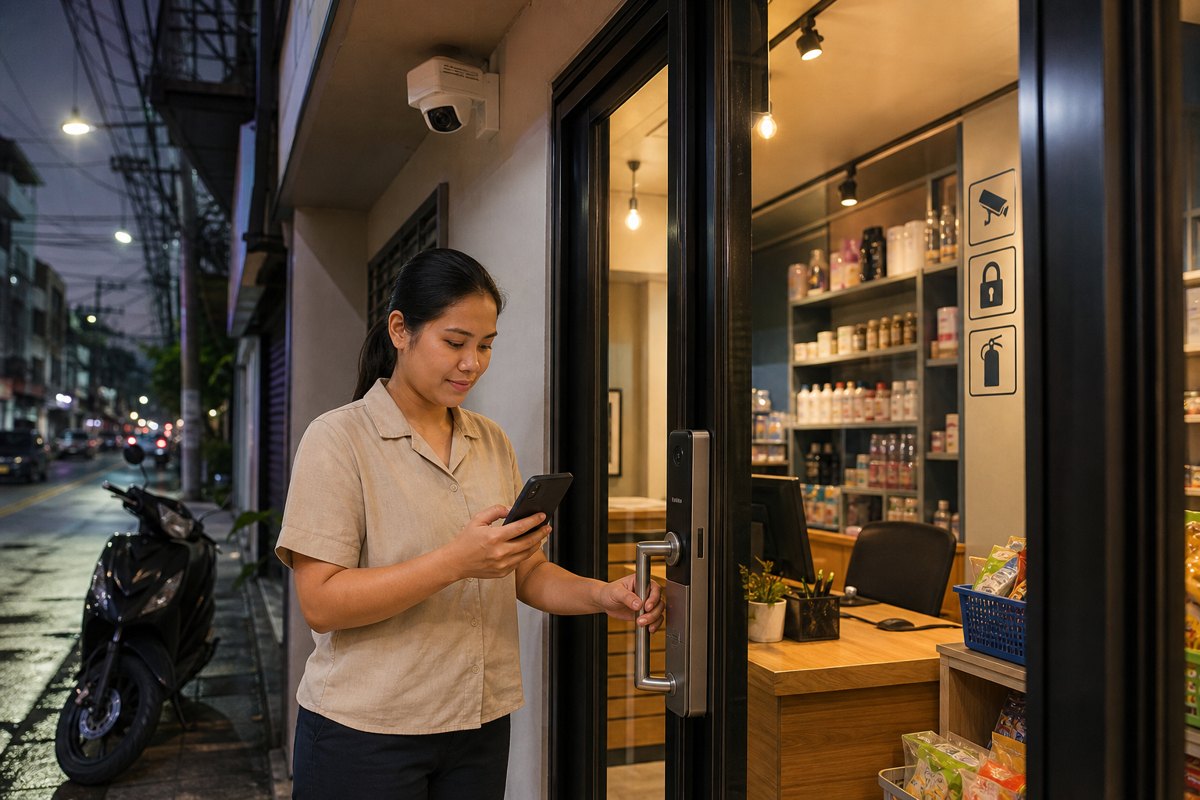
The biggest shift is from passive monitoring to controlled, documented movement. CCTV alone can show what happened, but it may not prevent confusion at the door. Access control alone can lock a door, but it may not explain why someone entered. Visitor procedures alone can list names, but they may fail when staff are busy or when paper logs are incomplete.
A stronger setup connects these pieces. A small office, for example, may use a smart door lock for authorized staff, a visitor tablet or reception process for guests, and CCTV positioned to clearly capture the entrance and waiting area. A condo property may coordinate lobby cameras, intercoms, resident approvals and guard desk procedures. A home may combine gate cameras, door access, perimeter lighting and mobile alerts so family members are not relying on one device.
The goal is not to make the property feel strict. The goal is to make movement clear, auditable and manageable.
What homes and condos should prioritize
For families and residential property teams, reliable security should make daily routines feel safer without becoming complicated. The system should help answer simple but important questions: Who is at the gate? Was the delivery received? Did the helper, technician or guest arrive at the expected time? Is there usable footage if an incident occurs?
Good residential security usually starts with entry points. Main doors, gates, garage areas, lobbies, elevators and service entrances deserve more attention than decorative coverage. Cameras should be placed for identification and context, not just wide views. Smart locks and access devices should have clear rules for who can add users, revoke access and review logs.
For condos and multi-tenant properties, visitor handling is especially important. Residents want convenience, but property managers also need consistency. Clear approval procedures, visible cameras at common entrances, and reliable records can reduce disputes, improve response time and support better resident confidence.
What offices, shops and small businesses should prioritize
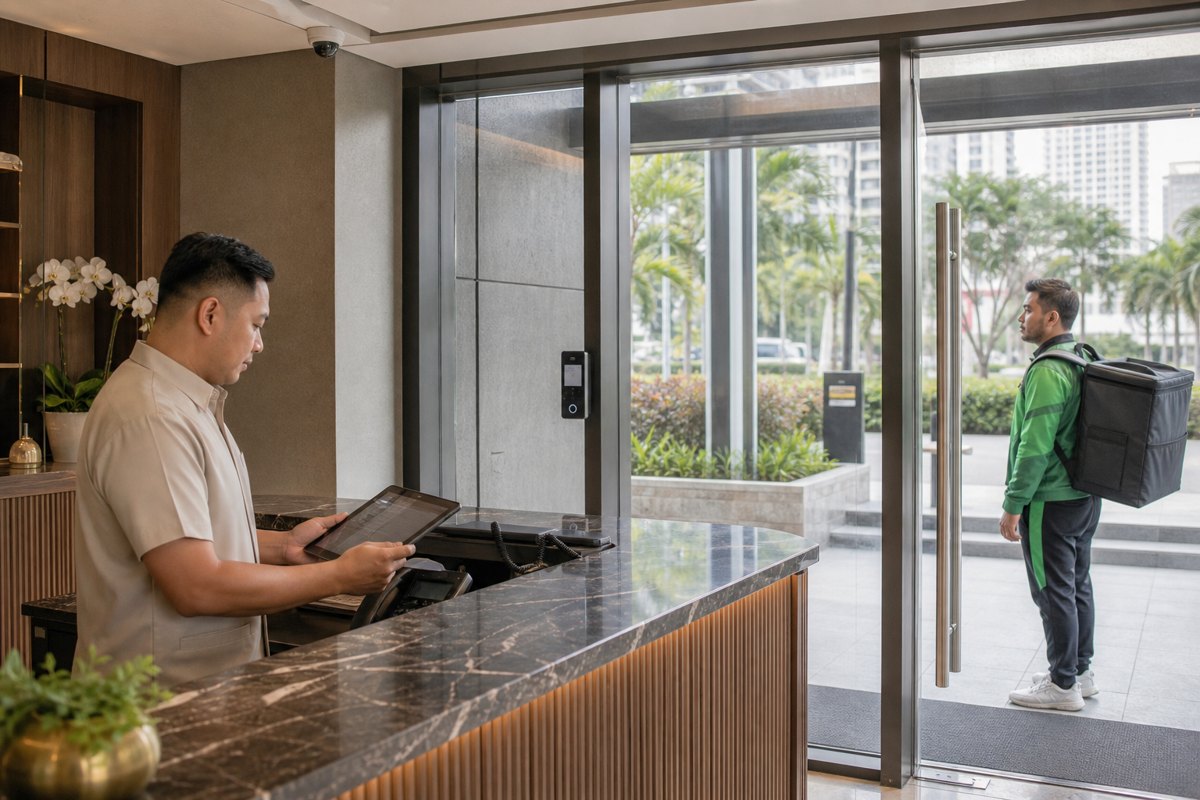
For offices and retail sites, security reliability has a direct business impact. A misplaced device, missing inventory, unauthorized after-hours entry, or unclear incident record can consume management time and damage trust. Even when losses are small, uncertainty creates stress for owners and teams.
Business locations should prioritize entrances, cash handling areas, storage rooms, equipment zones and back doors. Managers should also review how access changes when staff resign, transfer roles, work different shifts or share keys. The most expensive security problem is often not the intruder nobody expected, but the everyday access nobody controlled carefully enough.
Reliable systems also help when operations expand. A second branch, longer opening hours, a shared office, or a busier delivery schedule can strain informal procedures. If access levels, camera coverage and incident review are organized early, growth becomes easier to manage.
Reliability is more than uptime
A dependable security system is not only one that powers on. It is one that records the right view, sends useful alerts, keeps authorized access current, protects evidence, and remains understandable for the people expected to use it. That includes owners, reception staff, guards, building administrators and family members.
Decision guide: questions before upgrading
Before buying equipment or replacing an old setup, decision-makers should examine the property workflow first. The best security plan starts with movement, risk and responsibility.
1. Where does access actually happen?
List the real entry points: main doors, side doors, parking access, service entrances, stock rooms, lobbies and delivery areas. Include the places people use when they are in a hurry, not only the official front door.
2. Who needs different permission levels?
Family members, tenants, staff, cleaners, guards, contractors and temporary workers should not all be treated the same. Good systems make it easier to grant, limit and revoke access.
3. Can footage and logs be retrieved quickly?
When an incident happens, slow retrieval can make evidence less useful. Check whether authorized people know how to search by time, camera, door, visitor or event.
4. What happens during power or internet issues?
Metro Manila properties should consider backup power, local recording, secure offline behavior and clear fallback procedures. Reliability must include imperfect conditions.
A practical checklist for home and office security
- Cover primary entrances with clear, well-lit camera angles that can identify people, not only detect movement.
- Use access control where keys are frequently shared, copied, misplaced or difficult to recover.
- Review visitor and delivery workflows so guards, receptionists or family members follow a consistent process.
- Set responsibilities for adding users, removing access, checking alerts and reviewing incident footage.
- Confirm storage duration, backup needs and privacy expectations for recorded video and access logs.
- Schedule periodic maintenance to check camera clarity, time settings, network health, power backup and device firmware.
- Train the people who will actually use the system during ordinary days, not only during emergencies.
How better security supports continuity
Security is often discussed only in terms of preventing loss, but its continuity value is just as important. When people trust the system, families can leave home with less worry, office managers can support hybrid schedules, shop owners can review incidents calmly, and property managers can respond to residents with clearer records.
Reliable security also reduces the cost of confusion. Instead of relying on memory, conflicting stories or incomplete logs, decision-makers can work from clearer evidence. That matters for homes, shared buildings and customer-facing businesses where trust is built through everyday consistency.
Plan a safer, more reliable property with Infotouch
If your home, condo, office or retail site is receiving more visitors, deliveries and after-hours activity, now is the right time to review whether your security setup is truly reliable. Infotouch can help you assess access points, CCTV coverage, smart locks, visitor workflows and practical upgrade options for Philippine properties.