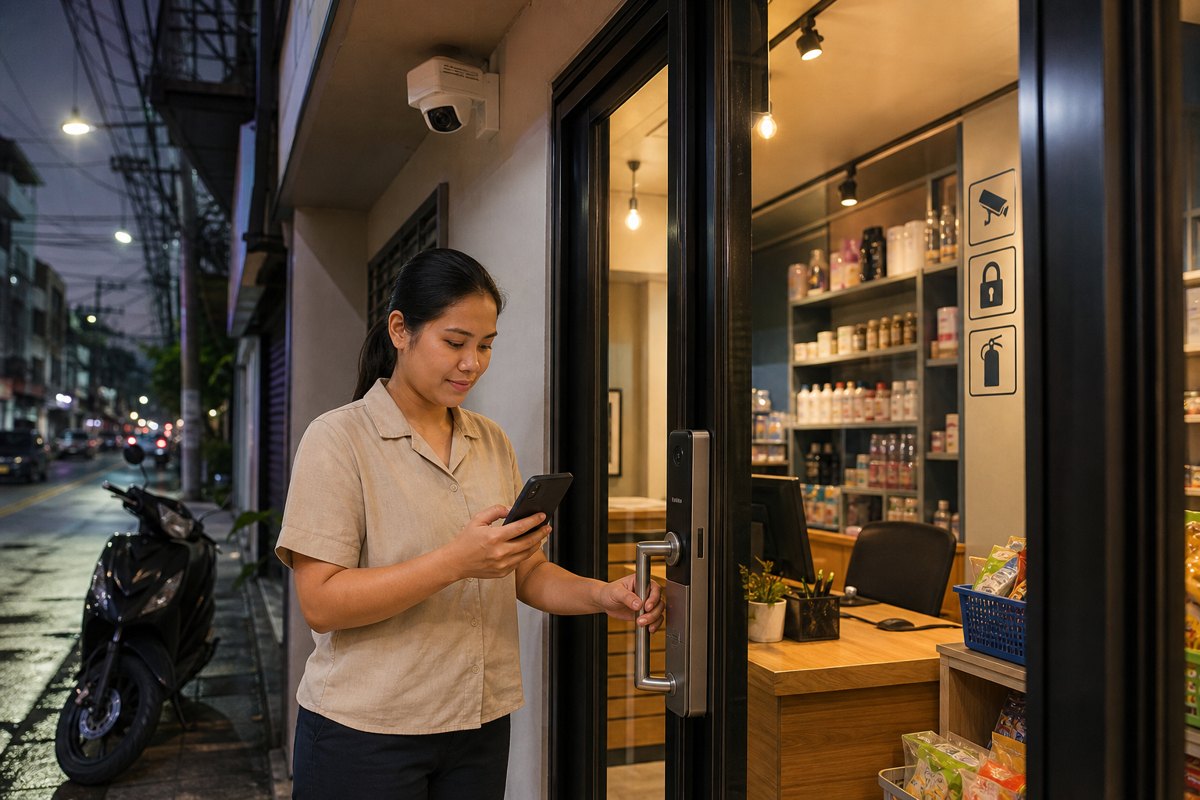
Surveillance is entering a new phase in 2026. For many Metro Manila businesses, the CCTV system is no longer a closed set of cameras connected to a recorder in a back office. It is now a network of IP cameras, video analytics, mobile access, cloud or hybrid storage, remote monitoring, and integrations with alarms, access control, and building systems. That shift creates value, but it also changes the risk profile.
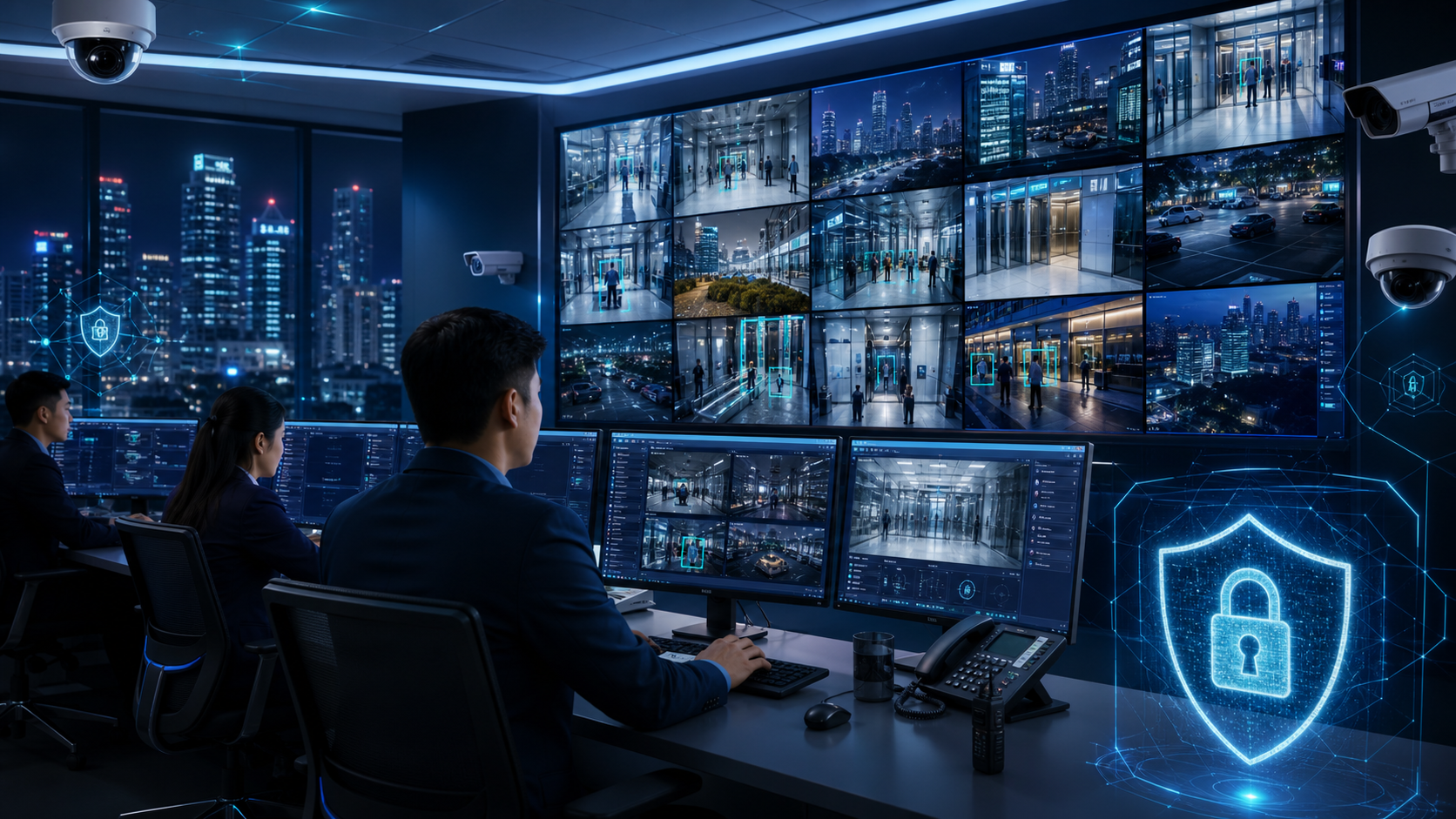
The strongest current trend for commercial security teams is the move toward zero trust for IP camera environments. Recent industry reporting has highlighted reconnaissance botnets, IoT attack growth, CCTV vulnerability alerts, and renewed concern over exposed camera infrastructure. At the same time, businesses want remote visibility across offices, warehouses, retail branches, construction sites, and mixed-use properties. The result is clear: surveillance systems must be designed as cyber-secure business infrastructure, not just as physical security equipment.
Why this matters now
Three market shifts are converging. First, more companies are replacing analog or isolated CCTV with IP-based cameras and smart video analytics. Second, management teams expect authorized staff to view incidents from laptops and phones, especially for multi-site operations. Third, attackers increasingly scan for exposed IoT devices, weak credentials, outdated firmware, and poorly segmented networks. A camera system that helps operations today can become an entry point tomorrow if it is deployed like a simple appliance.
For businesses in Metro Manila and nearby commercial areas, the stakes are practical. A compromised camera can expose sensitive video, reveal site routines, disrupt investigations, or become a foothold into the corporate network. A poorly configured recorder can fail when evidence is needed most. An unmanaged remote viewing setup can create access that outlives employees, contractors, or third-party guards. These are not only IT problems; they affect safety, continuity, compliance, and brand trust.
From “install and record” to managed surveillance infrastructure
Traditional CCTV projects often focused on coverage: where to place cameras, how many days of recording to retain, and how to retrieve footage after an incident. Those requirements still matter, but they are no longer enough. A modern surveillance project should also define who can access video, how devices are isolated, how firmware is maintained, how remote sessions are authenticated, and how system health is monitored.
Consider a warehouse in Valenzuela or Parañaque with perimeter cameras, loading bay coverage, and remote management review. If cameras sit on the same flat network as office computers, a compromised endpoint can potentially discover and attack camera devices. If the NVR has default credentials or an open management port, the risk increases further. If footage is stored only on-site with no redundancy, a fire, flood, theft, or equipment failure can remove the evidence trail. Zero trust thinking helps close these gaps by assuming that every device, user, and connection must be verified and limited.
What zero trust means for IP cameras
Zero trust does not mean making surveillance difficult to use. It means granting the minimum access required, continuously protecting the environment, and removing assumptions that “inside the network” automatically means safe. For CCTV and smart surveillance, this translates into concrete design decisions.
- Network segmentation: IP cameras, NVRs, analytics servers, and viewing stations should be separated from general office traffic using VLANs, firewall policies, and controlled routing.
- Strong identity and access: Remote viewing should use named accounts, role-based permissions, multi-factor authentication where supported, and fast revocation when users leave or change roles.
- Secure device lifecycle: Cameras and recorders should be procured from trusted sources, hardened during installation, documented, patched, and reviewed periodically.
- Encrypted and resilient storage: Footage should be protected in transit and at rest where possible, with retention aligned to operational and compliance needs.
- Monitoring and auditability: Failed logins, offline cameras, storage warnings, configuration changes, and unusual access should trigger review instead of being discovered after an incident.

Business value: fewer blind spots, better evidence, lower operating risk
The ROI is not limited to avoiding cyber incidents. A cyber-secure surveillance architecture improves day-to-day operations. Facility managers can confirm that cameras are online before a critical event. Security teams can investigate incidents faster because footage is searchable, retained, and protected. Operations heads can centralize oversight of multiple sites without giving broad uncontrolled access to every branch. IT managers can support remote monitoring without opening unnecessary ports or accepting unmanaged devices on the network.
Retailers can reduce shrinkage by combining clear camera coverage with controlled evidence handling. Offices can improve employee and visitor safety while reducing privacy exposure through better access control. Warehouses and logistics sites can monitor loading areas, gates, and restricted zones while keeping camera traffic separate from business applications. Property managers can standardize surveillance across tenants and common areas instead of maintaining inconsistent, hard-to-audit systems.
The financial case also becomes stronger when viewed against downtime and incident costs. A recorder failure during a theft investigation, a camera outage at an entry point, or unauthorized access to sensitive footage can create expensive consequences. Modernization reduces these risks while supporting faster response, better accountability, and more predictable maintenance.
A practical modernization roadmap
Organizations do not need to replace everything at once. The best approach is to assess the current environment, prioritize the highest-risk gaps, and phase improvements by site criticality.
- Inventory the system: Document camera models, recorder capacity, firmware versions, IP ranges, user accounts, remote access methods, and retention settings.
- Identify exposure: Check for shared passwords, unmanaged internet access, unsupported devices, weak network separation, and footage storage single points of failure.
- Segment and harden: Move surveillance devices into controlled network zones, disable unused services, change defaults, and align permissions with job roles.
- Upgrade where impact is highest: Prioritize entrances, cash handling areas, loading bays, server rooms, perimeters, and sites with recurring incidents or compliance requirements.
- Establish operations discipline: Schedule health checks, firmware reviews, user access reviews, and incident retrieval testing so the system remains reliable after installation.
What decision-makers should ask before the next CCTV upgrade
Before approving a camera refresh, management should ask more than “How many cameras do we need?” The better questions are: Can we securely view multiple sites? Are cameras isolated from business systems? Who can access live and recorded video? How quickly can access be removed? What happens if the NVR fails? Are firmware and passwords maintained? Can the system support analytics without creating unnecessary privacy or cybersecurity risk?
These questions turn CCTV from a one-time procurement into a managed security capability. They also help IT, facilities, security, and operations teams align around one architecture instead of treating surveillance as a separate silo.
Next step for Metro Manila businesses
If your business is expanding sites, enabling remote monitoring, adding video analytics, or replacing aging cameras, 2026 is the right time to include cybersecurity in the surveillance design. Infotouch can help assess your current CCTV environment, identify exposure points, and design an IP camera, NVR, storage, and monitoring setup that supports both physical security and network resilience.
The goal is straightforward: better visibility without unnecessary exposure. A zero-trust approach to IP cameras helps protect people, property, evidence, and operations while giving decision-makers the modern monitoring capabilities they now expect.