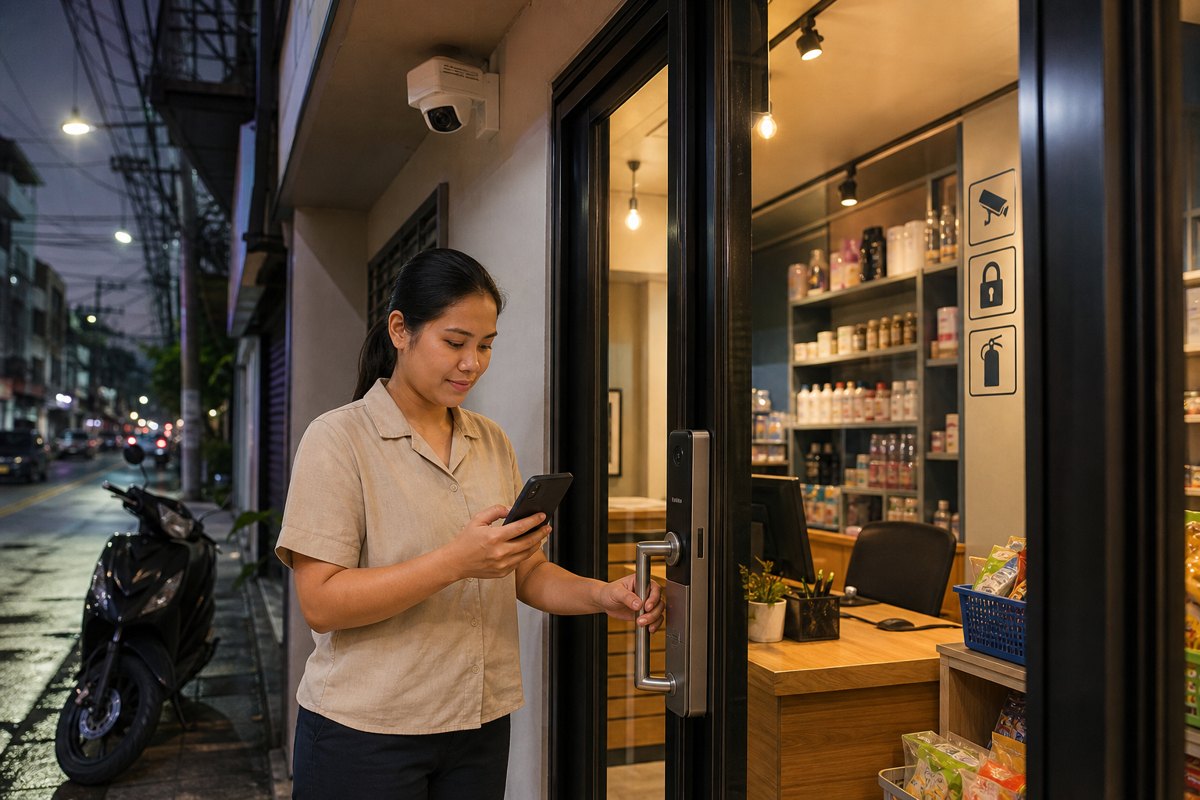
When a shop closes, a clinic finishes its last appointment, or an office floor goes quiet, security does not become less important. In many Metro Manila properties, the highest-risk hours begin after the last staff member leaves: deliveries happen at odd times, visitors try side entrances, parking areas become quieter, and small incidents can go unnoticed until morning. For homeowners, office managers, business owners, and property managers, reliable after-hours protection is now a core operating requirement—not a nice-to-have accessory.
Quick summary: what decision-makers should prioritize
- Reliability matters more than gadget count. Cameras, alarms, locks, and access control should work together and stay usable during real conditions.
- After-hours security protects continuity. Faster detection and better records reduce downtime, disputes, losses, and emergency confusion.
- Local context matters. Condos, retail strips, mixed-use buildings, and small offices in Metro Manila need practical systems built around people, foot traffic, deliveries, and parking activity.
- The best setup is easy to manage. Owners and managers need clear alerts, useful footage, simple access permissions, and dependable support.
Why after-hours security matters now
Metro Manila businesses are operating in a more flexible environment. Teams work hybrid schedules, retail shops extend hours during peak seasons, property managers coordinate contractors after office hours, and families rely on deliveries even when no one is available at the gate. These changes create convenience, but they also create more moments when access must be controlled and activity must be verified.
Traditional security plans often focus on daytime visibility: a guard at the lobby, staff watching the door, or managers handling issues as they happen. After-hours conditions are different. Fewer people are present, lighting changes, response times can be slower, and a minor problem can become an expensive disruption by the next business day. A forced door, missing inventory, unauthorized parking access, or unresolved alarm can affect tenants, customers, staff confidence, and insurance documentation.
Reliable after-hours security gives decision-makers a way to reduce uncertainty. It does not only record what happened; it helps prevent incidents, confirm who entered a space, guide responders, and keep operations moving with less guesswork.
Reliability is the real measure of protection
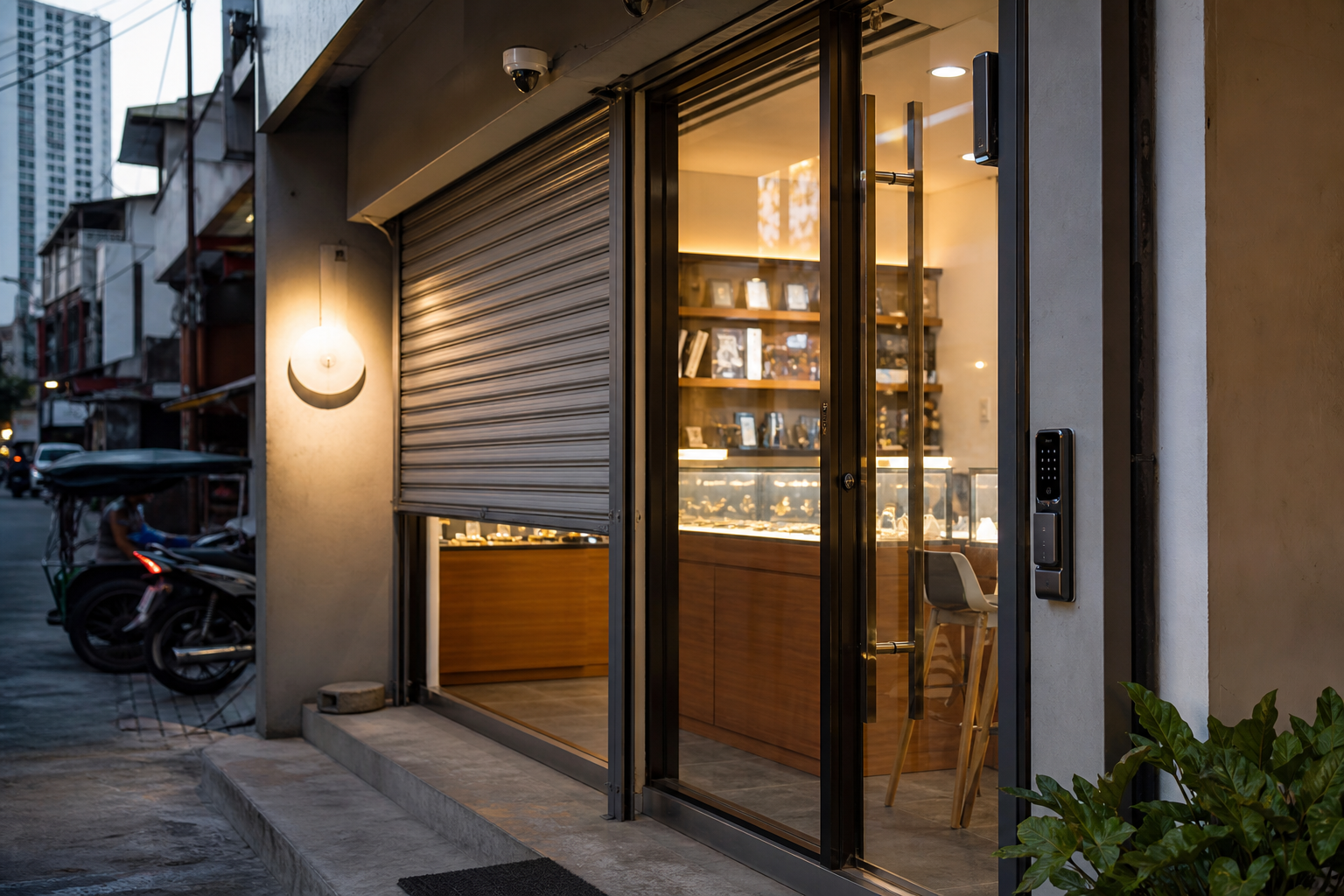
Many properties already have some form of security equipment. The question is whether the system remains dependable when it is actually needed. A camera with poor night visibility, an alarm no one receives, a lock shared by too many people, or footage that is difficult to retrieve can leave owners exposed despite having “security” installed.
For after-hours protection, reliability has several practical meanings. The system should capture useful detail at entrances, counters, corridors, parking spaces, stock rooms, and other sensitive areas. It should provide stable recording and backup options. It should allow authorized people to check events without relying on one person’s phone. It should make access permissions easy to update when staff, tenants, cleaners, guards, or contractors change.
Most importantly, the system should fit the property’s real operating pattern. A small retail shop may need strong storefront coverage, smart access for owners, and clear alarm notification. A condo office may need visitor access logs, elevator or door entry control, and camera coverage for common areas. A warehouse office may need perimeter visibility, delivery-zone monitoring, and evidence-quality footage for claims or investigations.
What strong after-hours security looks like in practice
A practical setup is usually a combination of layered controls rather than one device. Each layer reduces a different risk and supports the others.
1. Clear visibility at priority areas
CCTV should be positioned where decisions are made: main entrances, secondary doors, cash or reception areas, hallways, gates, parking zones, and loading points. For after-hours use, night performance, glare control, and camera angle matter as much as resolution. Footage should show faces, activity, and context—not just movement in the distance.
2. Access control that can be managed quickly
Keys are hard to audit and easy to duplicate. Smart locks, keypads, cards, or access systems help owners and managers assign, revoke, or time-limit entry. This is especially valuable for cleaners, maintenance teams, security staff, delivery coordination, and tenants who need controlled access outside normal hours.
3. Alerts that reach the right people
An alarm is only useful if someone can act on it. After-hours alerts should be routed to responsible owners, managers, or security personnel with enough information to decide what to do next. A clear notification, paired with camera verification, prevents both panic and neglect.
4. Records that support investigation and accountability
When an incident occurs, managers need more than a verbal report. Useful logs and retrievable footage help establish timelines, validate access, resolve tenant concerns, and support police reports or insurance discussions. Good records also discourage misuse because people know access and activity are accountable.
Business benefits beyond theft prevention
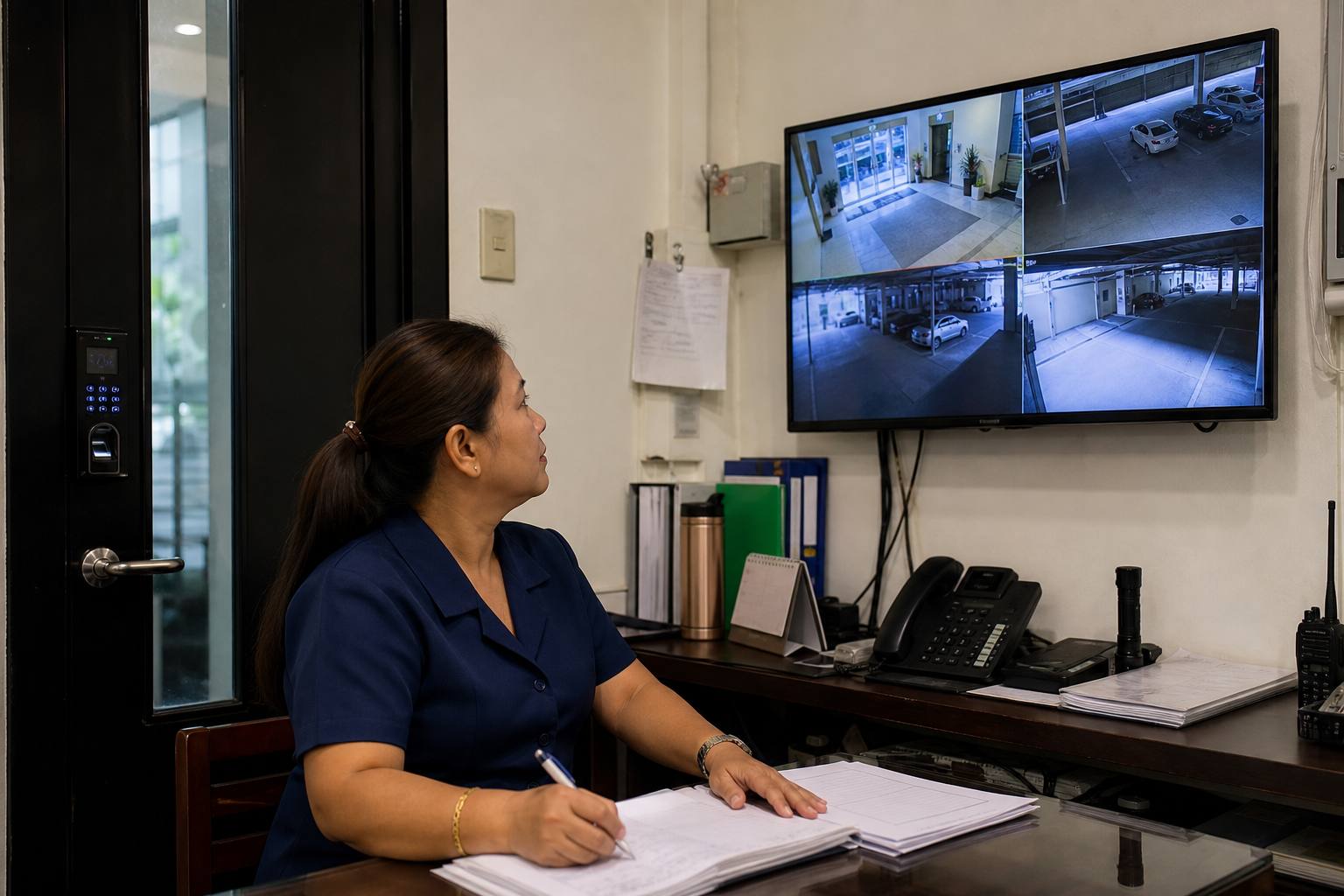
Security is often justified by the need to prevent break-ins, but the value is broader. For offices and retail spaces, reliable protection helps maintain business continuity. If an issue is detected early, owners can respond before it affects opening hours, staff productivity, or customer appointments. For property managers, better visibility helps address tenant complaints, unauthorized access, parking misuse, and after-hours contractor activity.
There is also a reputational benefit. A well-managed entrance, visible cameras, and controlled access send a signal that the property is professionally operated. Customers feel safer entering a shop. Employees feel more confident working early or late. Tenants see that management takes their safety seriously. Families and homeowners benefit from the same principle: peace of mind comes from knowing the system is practical, maintained, and ready.
In many cases, after-hours security also reduces hidden costs. Lost time searching for footage, replacing locks, handling disputes, or coordinating emergency repairs can become expensive. A reliable system helps owners spend less time reconstructing events and more time solving them.
Common mistakes to avoid
One common mistake is buying devices separately without a plan. A camera here, a lock there, and an alarm later may create gaps if the parts do not support a clear workflow. Another mistake is placing cameras for visibility rather than evidence. A wide view may look impressive, but it may not capture the detail needed for identification or decision-making.
Owners should also avoid overcomplicating the system. If only one person knows how to retrieve footage, change access codes, or respond to alerts, the property remains vulnerable. The best systems are secure but manageable, with roles and procedures that ordinary managers can follow.
Decision guide: questions to ask before upgrading
- Which entrances, corridors, parking areas, stock rooms, or counters need reliable after-hours visibility?
- Who needs access outside normal hours, and how quickly can permissions be changed?
- Who receives alerts, and what should they do when an alarm or unusual activity is detected?
- How long should footage be retained for business, property management, or insurance needs?
- Can managers retrieve footage and access logs without waiting for a technician?
- Does the system have support, maintenance, and expansion options as the property grows?
Building a security plan that fits Metro Manila properties
A reliable after-hours plan should begin with a site assessment. Walk the property at the times when risk is highest, not only during bright daytime conditions. Check lighting, blind spots, door hardware, parking movement, visitor flow, delivery points, and areas where staff or tenants feel uncomfortable. From there, match equipment and procedures to the real environment.
For a retail shop, the priority may be storefront deterrence, cash-area coverage, and alarm verification. For a small office, it may be controlled employee access, reception-area monitoring, and records for weekend maintenance. For a condo or mixed-use property, it may be visitor management, common-area visibility, and coordination with guards or building administrators.
The goal is not to install the most complicated system. The goal is to create dependable protection that people can use consistently. When equipment, procedures, and support work together, security becomes part of the property’s operating discipline.
Plan reliable after-hours protection with Infotouch
Infotouch helps homes, offices, retail spaces, and managed properties build practical security and safety solutions for real-world use. If you are reviewing CCTV, alarms, access control, visitor management, or integrated security for a Metro Manila property, our team can help you identify gaps, select the right setup, and design a system that supports safety, continuity, and peace of mind.